Do I Need a Visa for Bahrain Transit? The 8-Hour Rule Explained

If you’re connecting through Bahrain International Airport and searching do i need a visa for Bahrain transit, the answer usually comes down to one number: 8 hours. Stay under that inside the transit area and you won’t need anything. Go over it, or want to step outside for a few hours, and the rules change completely.
This guide walks through exactly when a Bahrain transit visa applies, what it actually costs based on NPRA’s own published fees, and what documents to have ready if your layover crosses that 8-hour line.
The 8-Hour Rule, In Plain Terms
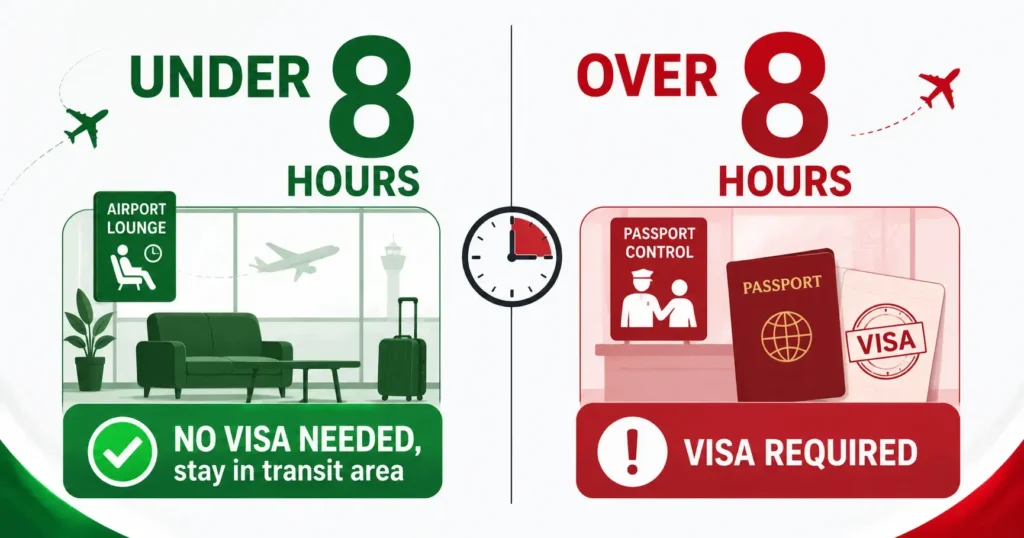
Bahrain doesn’t issue a separate “transit visa” category the way some countries do. Instead, whether you need any visa at all depends entirely on two things: how long your connection is, and whether you plan to leave the airport’s international transit area.
Under 8 hours, staying airside:
No visa needed, regardless of your nationality. You’ll need your checked bags to be through-checked to your final destination and a confirmed onward boarding pass, but you can move through duty-free, lounges, and dining areas without ever clearing immigration.
Over 8 hours, even if you stay in the airport:
This is where do i need a transit visa for Bahrain, or however you’ve phrased it while searching “do I need a transit visa for Bahrain” late at night before a trip, stop being a simple yes-or-no. Once your connection stretches past 8 hours, standard airport practice is to require an entry visa, even for travellers who have no intention of leaving the terminal. Airlines and ground staff generally apply this threshold consistently, since it lines up with when Gulf Air and other carriers typically start offering hotel accommodation for long layovers.
Want to leave the airport, regardless of layover length:
Any time you plan to clear passport control, whether for a 6-hour city visit or an overnight stay, you need a valid visa. There’s no separate “short visit” exception for shorter layovers if you’re exiting the terminal.
GCC nationals are the one clean exception:
Citizens of Saudi Arabia, Kuwait, the UAE, Oman, and Qatar can enter Bahrain freely using just their national ID card, no visa, no time limit consideration, for transit or anything else. If you’ve seen the question phrased as “do we require transit visa for Bahrain” from a group travelling together, the same 8-hour and GCC-exemption rules apply per traveller, not per booking.
So Do I Need a Visa For Bahrain Transit? Quick Reference
What a Bahrain Visa for Transit Actually Costs
Since there’s no dedicated transit category, travellers who do need to clear immigration apply for the same standard visit visa everyone else uses. The two main routes are visa on arrival and the eVisa, and understanding the real bahrain transit visa cost matters because the fees genuinely differ from what a lot of older blog posts still quote.
Visa on Arrival: Available to citizens of roughly 69 eligible countries directly at the airport counter, priced at approximately 5 BHD for a two-week stay. It’s worth confirming the exact figure for your specific passport at the counter, since this rate isn’t identical across every nationality category NPRA lists.
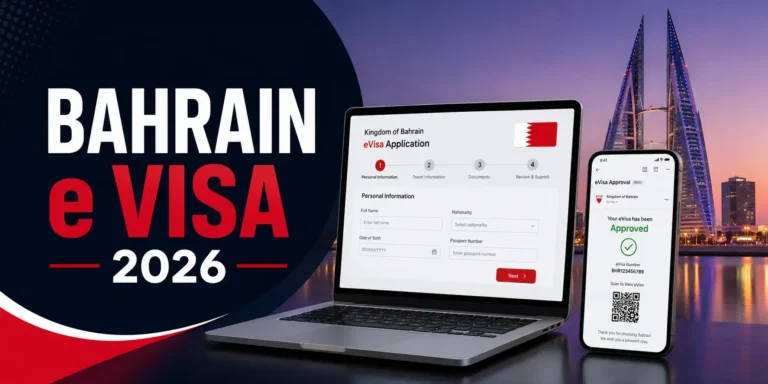
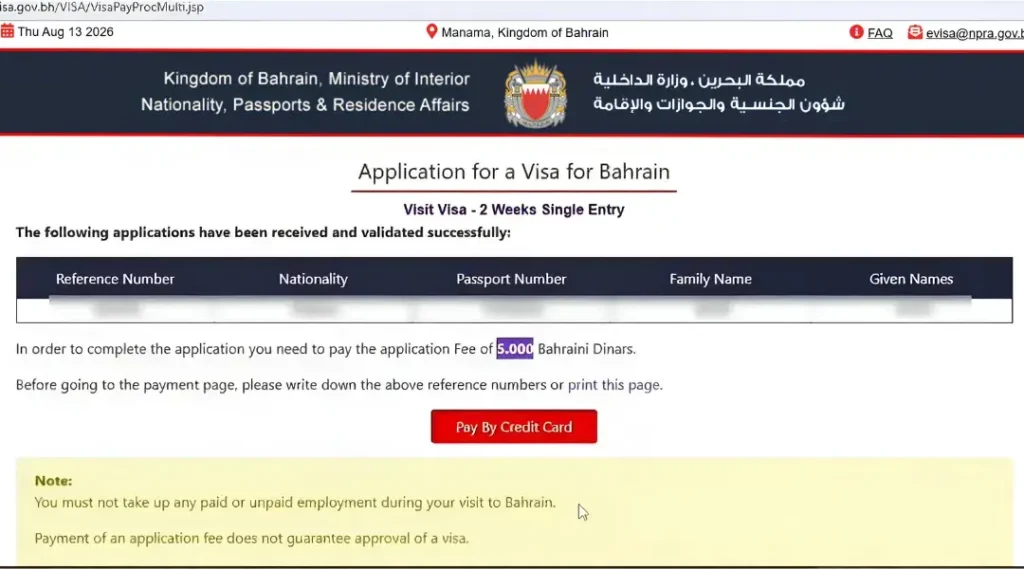
eVisa (applied in advance): This is where a lot of confusion online comes from. NPRA’s own fee schedule lists the standard two-week single-entry eVisa as 5 BHD application fee plus 5 BHD issuance fee, a total of 10 BHD, not the “9 BHD” figure that circulates on several third-party sites. If you’ve seen that lower number elsewhere, it’s outdated. We cover the full application process, required documents, and common rejection reasons in our separate Bahrain e-Visa guide, which is worth reading in full if you’re applying rather than showing up and hoping for a visa on arrival.
GCC resident eVisa: Indian and Pakistani passport holders (among others) who hold a valid residence permit in Kuwait, Oman, Qatar, Saudi Arabia, or the UAE can apply for a modified visa-on-arrival route, provided that GCC residence permit still has at least 3 months of validity remaining and isn’t classified under a labourer occupation.
Documents to Have Ready
Whether you’re applying online in advance or hoping to clear immigration at the counter, the underlying bahrain transit visa requirements stay consistent:
- A passport valid for at least 6 months beyond your arrival date in Bahrain
- A confirmed onward flight ticket showing you’re leaving Bahrain within your visa’s validity window
- Entry documentation for your final destination country, if applicable
- Proof of a hotel booking, or a host’s ID details if you’re staying with someone locally
- Evidence of sufficient funds, a bank statement or active card, if an immigration officer asks
- If your layover ends up requiring a longer stay than planned, our visa renewal guide covers how to extend once you’re already in Bahrain.
Step-by-Step: If Your Layover Needs a Visa
Check your layover duration first. Anything comfortably under 8 hours and staying airside means you can generally skip the rest of this list.
Check your nationality’s eligibility for visa on arrival versus needing an eVisa in advance, since not every passport qualifies for the counter option.
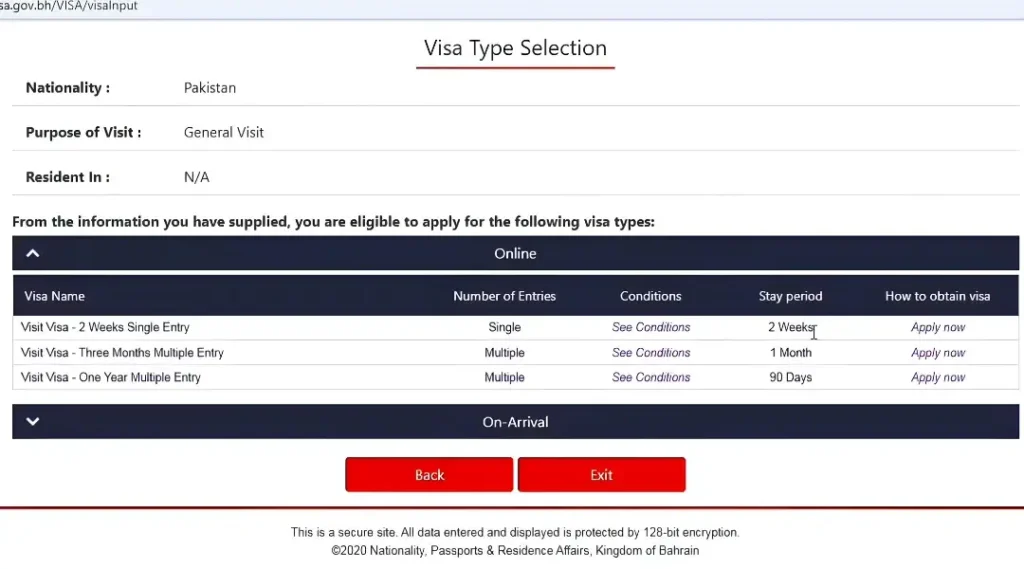
If eligible for eVisa, apply through evisa.gov.bh at least a few days before travel, NPRA generally processes applications within 3 to 5 working days, so same-day arrival applications aren’t realistic.
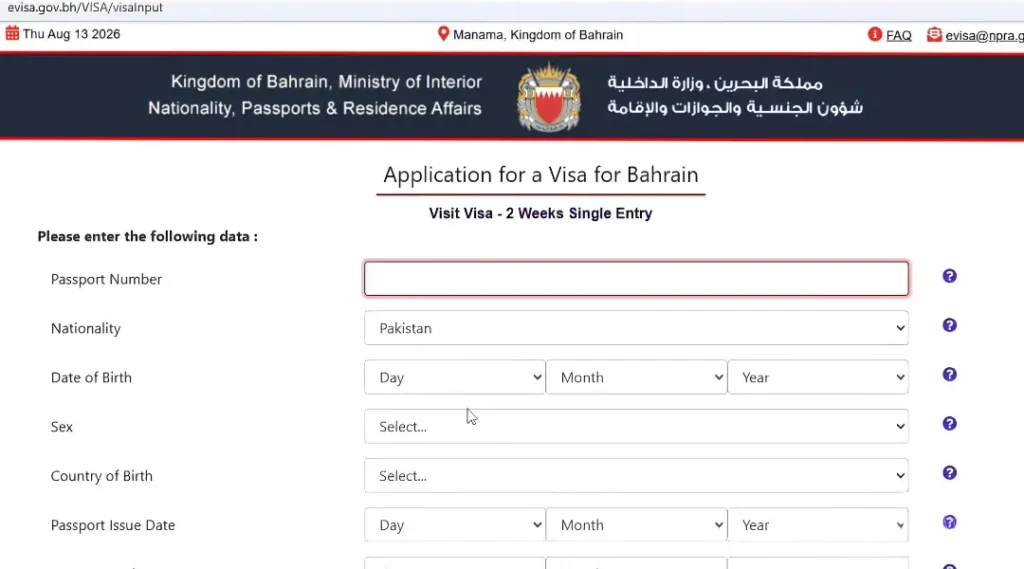
Upload your passport copy, photo, and onward ticket, paying the 10 BHD total fee online.
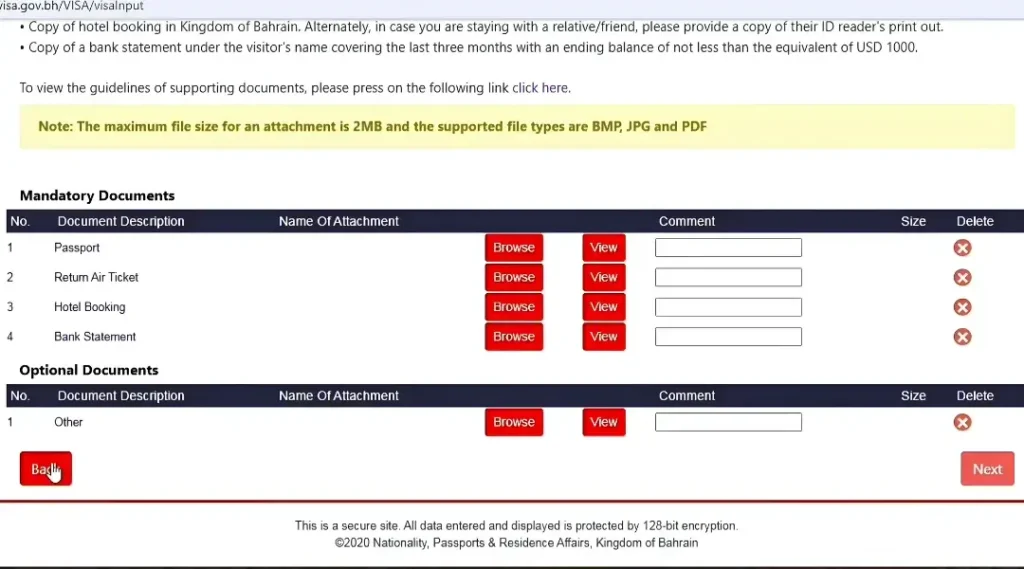
If relying on a visa on arrival, have your onward ticket and any requested documents ready at the immigration counter, and budget roughly 5 BHD payable by card or cash.
Keep a digital and printed copy of any approval you receive, airline check-in staff at your origin airport may ask to see it before boarding.
Frequently Asked Questions
Do I need a visa to transit through Bahrain for a few hours?
If your connection is under 8 hours and you’re staying in the international transit area, no visa is needed. If you plan to leave the airport for any reason, a visa is required regardless of how short the visit is.
What are the real Bahrain transit visa fees?
Visa on arrival runs approximately 5 BHD for eligible nationalities. The eVisa, applied for in advance, costs 10 BHD total, a 5 BHD application fee plus a 5 BHD issuance fee. Fees quoted lower than this on some websites reflect outdated figures.
Do we require a transit visa for Bahrain if we’re GCC residents but not GCC citizens?
You may qualify for the GCC resident eVisa route rather than the standard tourist process, provided your GCC residence permit has at least 3 months of validity left and doesn’t fall under a labourer classification.
Is 8 hours a strict legal cutoff, or does it vary by situation?
It reflects standard airport and airline practice at Bahrain International Airport rather than a number you’ll find written into a single specific regulation. In practice, it’s applied consistently, and it’s the same threshold most airlines use for triggering hotel accommodation on long layovers.
Can I just buy a visa on arrival if I’m unsure whether I qualify for the eVisa route?
Only if your nationality is on the eligible list for visa on arrival. If it isn’t, arriving without a pre-approved eVisa can mean being turned back at your origin airport’s check-in counter, so it’s safer to confirm your category before you fly rather than assume.
Note: For the current eligibility list and to apply for a Bahrain eVisa, use the official evisa.gov.bh portal, or check category-specific details on the NPRA visa services page. If you’re weighing this against Bahrain’s other entry options beyond a simple layover, our full Bahrain visa guide breaks down every category side by side.