UAE Tourist Visa Requirements and Application Process

The United Arab Emirates (UAE) is one of the most popular travel destinations in the Gulf region. It is well known for its modern cities, impressive buildings, shopping centers, beaches, cultural attractions, and business opportunities. Cities such as Dubai and Abu Dhabi attract visitors from different parts of the world every year. People travel to the UAE for tourism, holidays, business, family visits, and other purposes. For many international travelers, obtaining the appropriate visa is an important part of preparing for a trip to the country.
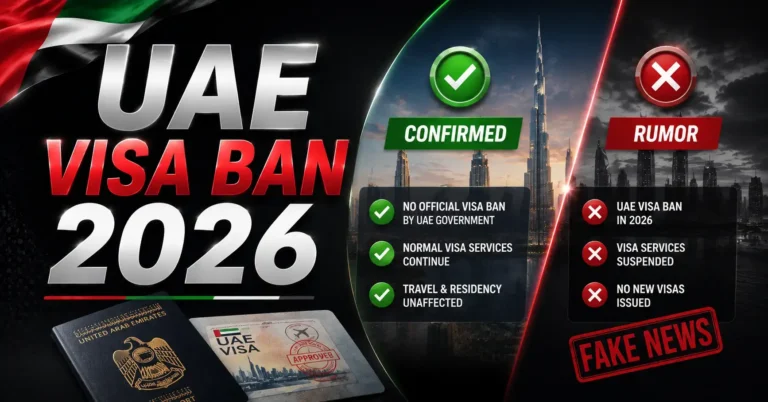
A UAE tourist visa is an authorization that allows an eligible foreign visitor to enter the country for tourism and remain there for the period permitted by the visa. Visa requirements are not the same for every nationality. Some travelers may be eligible for visa-free entry or a visa on arrival, while others must obtain a visa before traveling. Therefore, the first step for anyone planning to visit the UAE is to determine whether they need a tourist visa.
One of the most important requirements for a UAE tourist visa is a valid passport. Travelers should ensure that their passports meet the required validity period at the time of travel. The passport should also be in good condition, and the information provided during the visa application should match the passport exactly. Applicants should check the current passport validity requirement before applying because immigration rules can change.
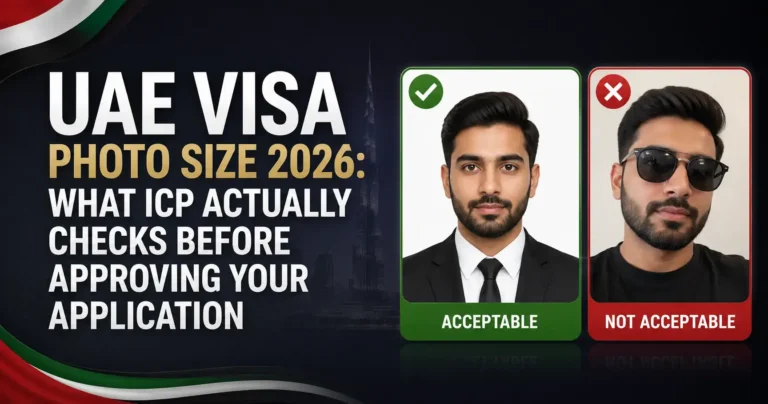
Applicants may also need a recent passport photograph. The photograph should meet the required specifications for the application. In addition, applicants may be asked to provide a clear copy of their passport’s information page. Depending on the visa type and application channel, other documents may also be required.
Proof of travel arrangements can be another important part of the application. Applicants may need to provide information about their intended travel dates, accommodation, and return or onward journey. Hotel reservations or other evidence of accommodation may be requested. These documents help demonstrate the purpose and expected duration of the visit.
Financial requirements can also apply. A traveler may need to demonstrate that they have enough funds to support themselves during their stay in the UAE. This is particularly important because visitors are generally expected to have adequate resources for accommodation, food, transportation, and other expenses. Depending on the application procedure, financial evidence may include bank statements or other supporting documents.
There are different ways through which eligible travelers can obtain UAE tourist visas. Depending on nationality and circumstances, applications may be handled through approved travel agencies, airlines, hotels, sponsors, or relevant government channels. Applicants should use legitimate and authorized channels to avoid fraud or unnecessary problems.
The application process generally begins by completing the required form and providing personal information. Applicants may be asked for their full name, date of birth, nationality, passport details, contact information, travel dates, and other information. Accuracy is very important because errors in an application can cause delays or complications.
Supporting documents are then submitted along with the application. The documents required depend on the applicant’s nationality and the type of tourist visa being requested. Applicants should ensure that documents are clear, valid, and complete. If additional information is requested during processing, it should be provided as quickly as possible.
Visa fees are another consideration. The cost of a UAE tourist visa depends on the type and duration of the visa and the application channel. Applicants should confirm the total cost before making payment. They should also keep receipts and other evidence of payment in case they need to refer to them later.
The processing period can vary. Some applications may be processed relatively quickly, while others may take longer because of additional checks or incomplete documentation. Travelers are therefore advised to apply sufficiently early before their intended travel date. Waiting until the last minute can create unnecessary stress and may affect travel plans.
After the visa has been approved, the applicant should carefully check the visa information. The traveler should confirm the name, passport number, validity dates, permitted duration of stay, and number of entries. If any information appears incorrect, the applicant should contact the appropriate visa provider or authority before traveling.
It is also important to understand the difference between visa validity and permitted stay. A visa may be valid for a particular period, but the traveler may only be allowed to remain in the UAE for a specified number of days. Visitors must leave the country before their authorized stay expires unless they have legally obtained an extension or another form of immigration permission.
Tourists should respect UAE laws and immigration regulations throughout their visit. The UAE has strict laws concerning public behavior, employment, immigration, and other matters. Visitors should familiarize themselves with local laws and customs. A tourist visa generally does not give a visitor permission to work in the UAE. Anyone intending to work must obtain the appropriate employment authorization.
Visa applications can sometimes be rejected. Reasons may include incomplete documentation, incorrect information, passport problems, failure to meet eligibility requirements, or immigration issues. Applicants should not provide false information or fraudulent documents. Doing so can lead to serious consequences and may affect future travel.
Travelers should also be careful when dealing with visa agents or agencies. There are people and organizations that may claim to provide guaranteed visas in exchange for large payments. Applicants should verify that any agency they use is legitimate and authorized. No agent can honestly guarantee that an immigration authority will approve every application.
For travelers from African countries, including Nigeria, understanding the specific UAE entry requirements for their nationality is particularly important. Requirements can differ according to passport type and nationality. Nigerian travelers should confirm the current rules through the appropriate UAE authorities or an authorized visa channel before booking their trip.
In conclusion, obtaining a UAE tourist visa requires careful preparation. Travelers should first determine whether they need a visa and then identify the appropriate visa category. They should have a valid passport, provide accurate personal information, prepare the required supporting documents, pay the applicable fees, and submit the application through an approved channel. After receiving the visa, they should check all details and comply with the conditions of their stay.
The UAE remains an attractive destination for travelers because of its tourism facilities, infrastructure, culture, and international connections. However, successful travel begins with proper preparation. By understanding the visa requirements and following the correct application process, travelers can reduce delays and avoid common immigration problems. Since visa policies may change, applicants should always confirm the latest requirements with official UAE sources before making final travel arrangements.