Visa Requirements for Gulf Countries
The Gulf countries are among the most popular destinations for tourists, workers, students, investors, and business travelers from around the world. The six countries commonly referred to as the Gulf countries are Saudi Arabia, the United Arab Emirates (UAE), Qatar, Oman, Bahrain, and Kuwait. These countries attract millions of visitors every year because of their economic opportunities, modern cities, cultural attractions, religious sites, and growing tourism industries. However, travelers who wish to enter any of these countries must meet certain visa requirements, depending on their nationality, purpose of travel, and length of stay.
A visa is an official authorization that allows a foreign national to enter, stay in, or pass through a country for a specified period. Gulf countries have different visa policies, and requirements can change depending on the traveler’s circumstances. Some nationalities may be eligible for visa-free entry or visas on arrival, while others must obtain a visa before traveling.
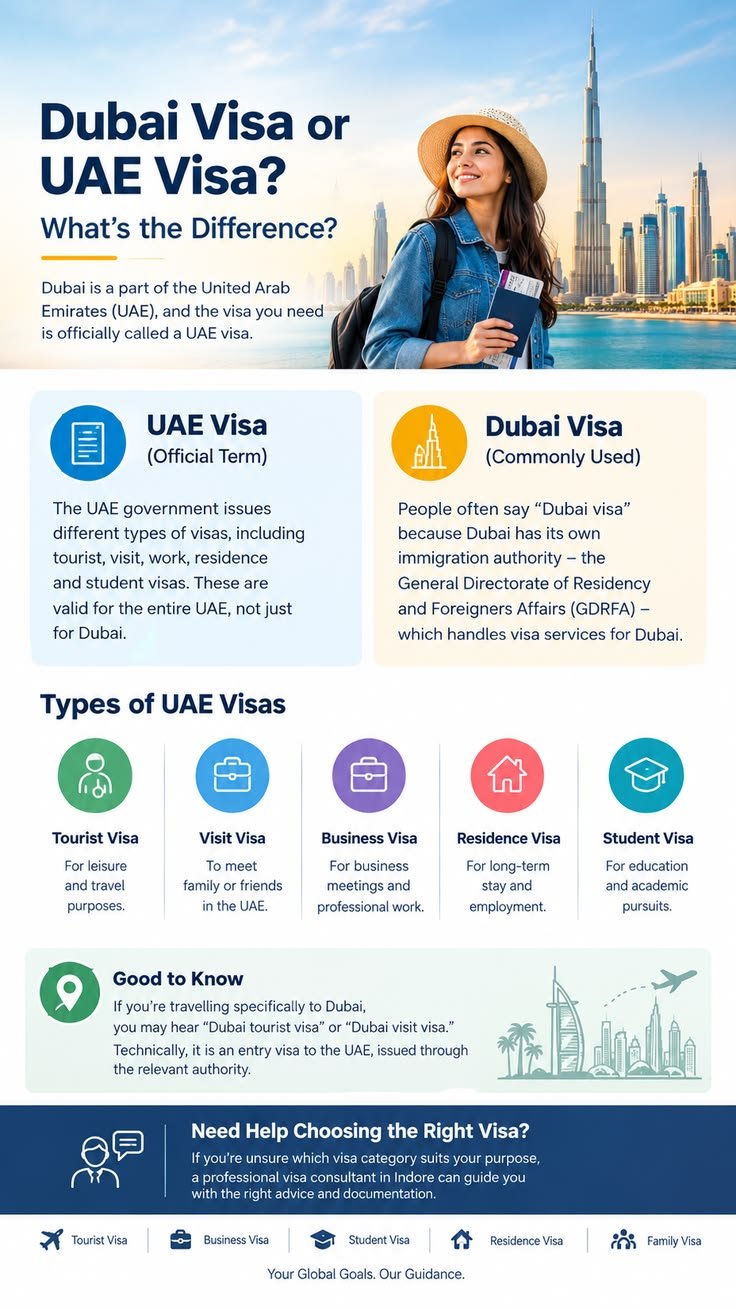
One of the most important factors in determining visa requirements is the purpose of the trip. Gulf countries generally offer different categories of visas, including tourist visas, business visas, work visas, student visas, family visit visas, transit visas, and residence visas. Applicants must apply for the visa category that matches their reason for entering the country.
For tourists, requirements commonly include a valid passport, a completed visa application, passport-sized photographs where required, proof of accommodation, and evidence of sufficient funds for the trip. Some applications may also require a return or onward ticket and travel insurance. The exact requirements depend on the particular Gulf country and the applicant’s nationality.
The United Arab Emirates is one of the most visited countries in the Gulf region. Visitors can travel to cities such as Dubai and Abu Dhabi for tourism, business, or other purposes. Depending on nationality, travelers may receive visa-free entry, a visa on arrival, or need to apply for a visa in advance. A passport with sufficient validity is generally required. Applicants who need a visa may also be asked to provide accommodation information, travel details, photographs, and other supporting documents.
Saudi Arabia has also expanded its tourism industry significantly in recent years. The country offers tourist visas to eligible international travelers, although requirements vary according to nationality and visa type. Travelers may need a valid passport, personal information, photographs, accommodation details, and other supporting documents. Those visiting Saudi Arabia for employment, religious purposes, family visits, or business may need a different visa category.
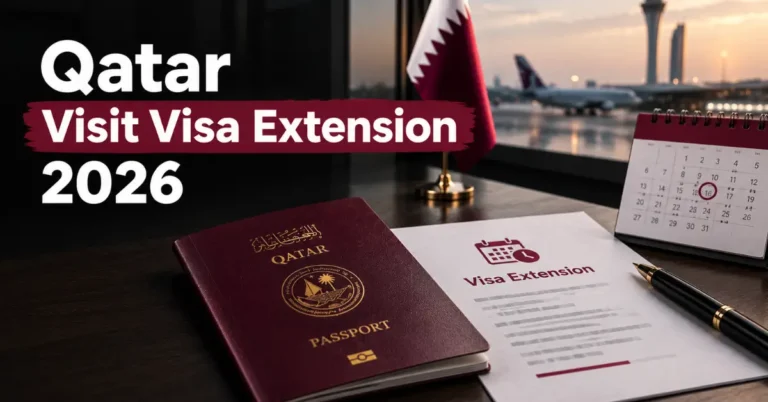
Qatar is another important Gulf destination. It attracts tourists, business travelers, workers, and visitors attending international events. Qatar’s visa requirements depend heavily on the traveler’s nationality. Some visitors can enter without obtaining a visa in advance, while others must apply through the appropriate visa system. Applicants should check the current requirements before making travel arrangements because visa rules can change.
Oman is known for its natural landscapes, mountains, beaches, deserts, and historical attractions. Travelers visiting Oman may need to obtain an electronic visa or meet other entry requirements, depending on their nationality. Applicants may be required to submit passport information, photographs, accommodation details, and travel information. Those traveling for employment require an appropriate employment visa rather than a tourist visa.
Bahrain also provides different visa options for visitors. Depending on nationality, travelers may qualify for visa-free entry, a visa on arrival, or an electronic visa. Visitors should ensure that their passports meet the required validity period and that they have all necessary supporting documents. Work and residence visas normally involve additional procedures and sponsorship or employment documentation.
Kuwait has separate visa arrangements for tourists, business travelers, workers, and family visitors. Foreign workers generally require an employment visa and residence permit, usually arranged with the assistance of an employer or sponsor. Tourist and visit visa requirements vary according to nationality and the purpose of the visit. Travelers should obtain accurate information from official Kuwaiti authorities before submitting an application.
A valid passport is one of the most important requirements for traveling to the Gulf region. In many cases, passports must remain valid for a minimum period after the planned date of entry. Travelers should also make sure that their passports contain sufficient blank pages when required and that their personal details are correct. Damaged or expired passports can cause problems during the visa or immigration process.
Financial evidence may also be required for some visa applications. Applicants may need to demonstrate that they can afford accommodation, transportation, food, and other expenses during their stay. Bank statements, employment documents, or other evidence of financial support may sometimes be requested. The purpose of this requirement is to establish that the traveler can support themselves without becoming financially dependent on the host country.
For employment visas, requirements are usually more extensive. A foreign worker may need an employment contract, medical examination, educational certificates, police clearance documents, passport copies, photographs, and other paperwork. In many Gulf countries, the employer plays an important role in arranging work authorization and residence documentation. Workers should therefore verify the legitimacy of their employer and understand the terms of their employment before traveling.
Students also require appropriate visas when studying in Gulf countries. A student may need an admission letter from an educational institution, proof of financial support, passport documents, medical records, photographs, and other required paperwork. In many cases, the educational institution assists the student with the visa or residence process.
Visa applicants should also be aware that submitting an application does not automatically guarantee approval. Applications can be rejected for several reasons, including incomplete documentation, incorrect information, passport problems, failure to meet eligibility requirements, or previous immigration violations. Applicants should therefore provide truthful and accurate information and carefully review their applications before submission.
Another important issue is visa duration. A visa may allow a person to enter a country for a specific period, but the permitted length of stay can be different from the visa’s overall validity. Travelers must understand the conditions attached to their visa and leave the country before their authorized stay expires unless they have legally obtained an extension or another form of permission.
In conclusion, visa requirements for Gulf countries vary depending on the country, nationality, purpose of travel, and duration of stay. Saudi Arabia, the UAE, Qatar, Oman, Bahrain, and Kuwait each have their own immigration systems and visa categories. Travelers should prepare the necessary documents, use the correct visa category, provide accurate information, and confirm the latest requirements before traveling. Proper preparation can reduce delays, prevent visa problems, and make international travel to the Gulf region safer and more convenient.