Qatar Visa Requirements for International Travelers
Qatar is one of the most important countries in the Gulf region and has become a popular destination for tourists, business travelers, workers, students, and people visiting family members. The country is known for its modern infrastructure, impressive architecture, cultural heritage, museums, sporting events, and growing tourism industry. Doha, the capital city, attracts visitors from many parts of the world. Before traveling to Qatar, however, international travelers need to understand the country’s visa and entry requirements.
Qatar’s visa policy differs according to the nationality of the traveler, the purpose of the visit, and the expected duration of stay. Some nationalities may be allowed to enter Qatar without obtaining a visa in advance, while others may need to apply for an electronic visa or another type of entry authorization. Travelers should therefore determine their eligibility before making travel arrangements.
The first requirement for most international travelers is a valid passport. A passport is an important travel document because it establishes the identity and nationality of the visitor. Travelers should ensure that their passports meet Qatar’s validity requirements and are in good condition. The information on the passport should also match the information provided in any visa application.
Travelers who require a visa may need to complete an application form. The application normally requests personal information such as the applicant’s full name, date of birth, nationality, passport number, contact details, and travel information. It is important that all information be accurate. Errors or inconsistencies may result in delays or other complications.
The purpose of travel is another important factor in determining the appropriate visa. Qatar has different arrangements for tourists, business visitors, workers, students, family visitors, and transit passengers. A person visiting Qatar for a holiday should not use a work visa, while someone intending to take employment must obtain the appropriate authorization to work and reside in the country.
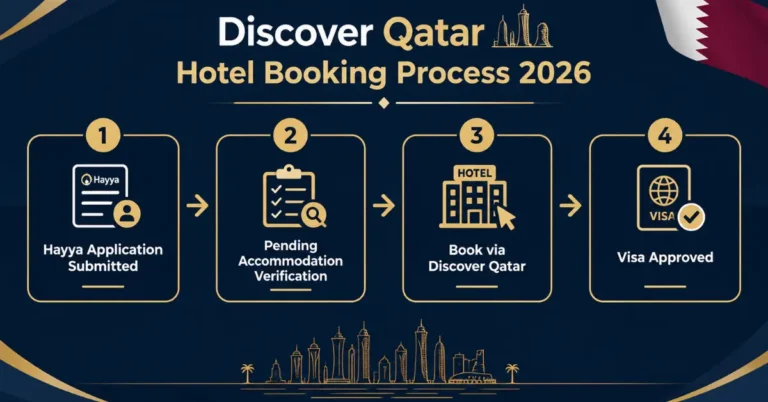
Tourists may be required to provide information about their accommodation and travel plans. Depending on the nationality and type of entry permission, this may include a hotel booking, address of accommodation, return or onward ticket, and other supporting documents. These requirements help authorities establish the purpose and expected duration of the visit.
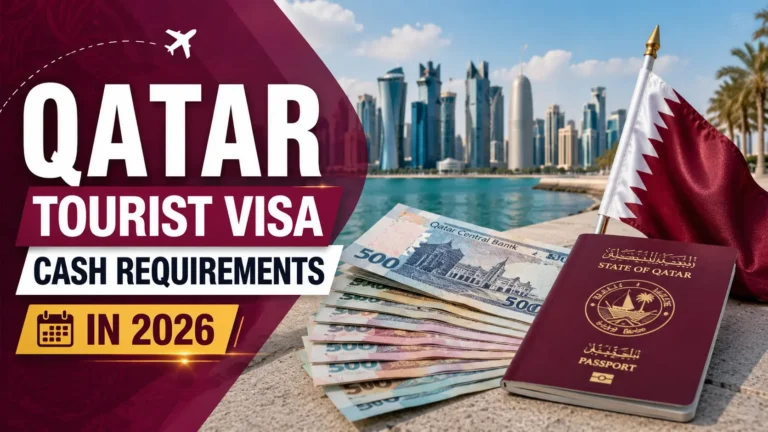
Some visitors may also need to demonstrate that they have sufficient financial resources for their trip. Financial requirements can help show that travelers are capable of paying for accommodation, transportation, food, and other personal expenses. The specific evidence required can differ depending on the visa category and nationality.
Travel insurance and health-related requirements may also apply in certain circumstances. Travelers should check the latest official requirements before traveling because health and insurance rules can change. Having appropriate travel insurance can also protect visitors against unexpected medical expenses and travel-related emergencies.
For business travelers, additional documents may be necessary. A business visitor may need an invitation from a company or organization in Qatar, information about the purpose of the business trip, or evidence of the relationship between the visitor and the sponsoring organization. Business visitors must also ensure that they do not undertake activities that are not permitted under their entry status.
People traveling to Qatar for employment generally require a work-related visa and residence authorization. In many cases, the employer is involved in the application process. Workers may be required to provide an employment contract, passport, photographs, educational qualifications, medical examination results, and other documents. The exact requirements depend on the job and the relevant immigration procedures.
Students may also need appropriate permission to live and study in Qatar. Students normally begin the process after receiving admission from a recognized educational institution. The institution may assist with immigration procedures and provide documents needed for the application. Students should make sure that they understand the conditions attached to their residence status.
Family visit arrangements are another important category. People who live legally in Qatar may be able to sponsor certain family members for visits, subject to the country’s immigration rules. Supporting documents may include proof of relationship, identification documents, residence information, and other required paperwork. The sponsor and visitor should confirm the latest requirements before submitting an application.
Visa fees may apply depending on the nationality and type of visa. Applicants should find out the current fee before applying and use an approved payment method. They should also keep their payment receipt or confirmation for future reference. Fees can change, so applicants should rely on current official information rather than outdated sources.
Processing times can vary. Some applications may be processed quickly, while others may require additional review. Delays can occur when documents are missing, information is incorrect, or additional checks are necessary. For this reason, travelers should avoid waiting until the last moment to complete their visa arrangements.
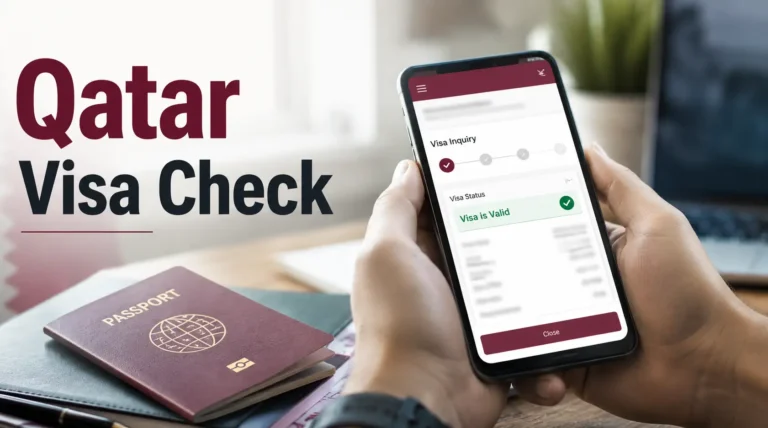
One of the most important steps after receiving a visa or entry authorization is checking the details carefully. Travelers should confirm their name, passport number, visa type, validity period, and permitted duration of stay. If there is an error, it should be corrected before departure whenever possible.
Visitors must also obey Qatar’s immigration laws during their stay. A traveler should not remain in the country after the authorized period has expired unless an extension or other legal permission has been obtained. Overstaying can result in fines or other immigration consequences. Visitors should also respect local laws, traditions, and customs.
Travelers should be cautious when using visa agents. Although legitimate travel agencies can provide useful assistance, dishonest individuals may promise guaranteed visas or request unreasonable fees. Applicants should verify that an agency is genuine and should never submit false documents or information. Immigration decisions are made by the relevant authorities, and no private agent can guarantee approval.
For travelers from Nigeria and other African countries, checking nationality-specific requirements is particularly important. Visa policies can vary significantly between nationalities. Nigerian travelers should obtain the latest information from official Qatari government or immigration channels before making final travel arrangements. They should also make sure that their passport and supporting documents meet all applicable requirements.
In conclusion, Qatar offers opportunities for tourism, business, employment, education, and family visits, but international travelers must comply with the country’s immigration requirements. The visa process depends on nationality, purpose of travel, and length of stay. Applicants should have a valid passport, provide accurate information, prepare the necessary supporting documents, pay applicable fees, and follow the appropriate application procedure.
Proper preparation can make international travel much easier. Travelers should always verify the latest visa and entry requirements before booking flights or making other non-refundable arrangements. By following the correct procedures and respecting Qatar’s immigration laws, visitors can enjoy their stay while avoiding unnecessary visa and entry problems.